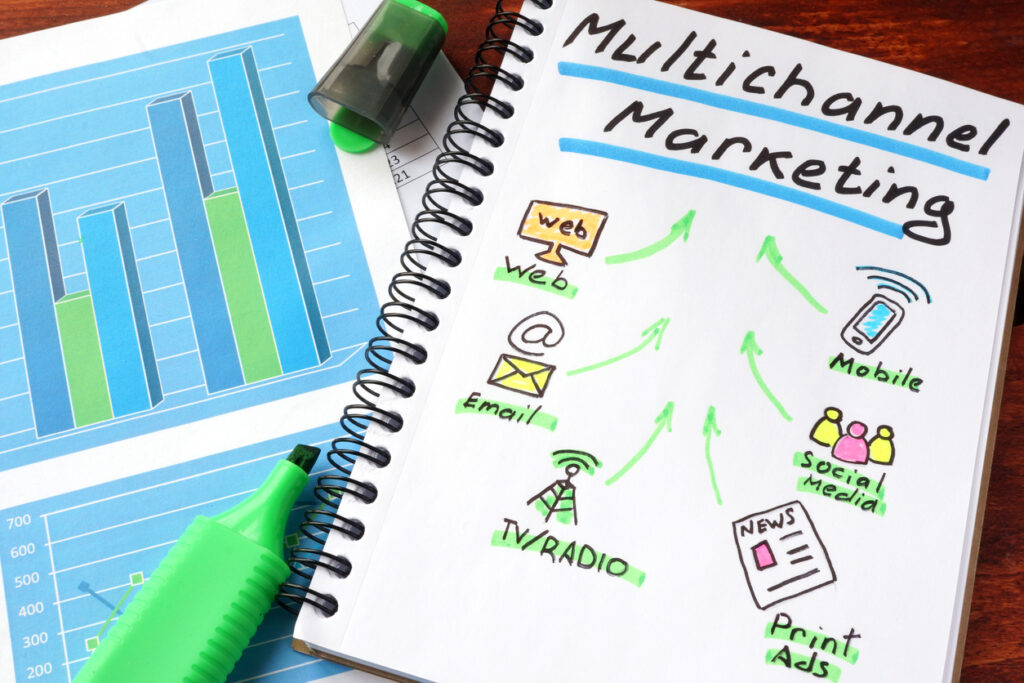
Media mix marketing is the practice of using a combination of communication channels to promote a product, service, or brand. Unlike single-platform strategies that focus on only one medium such as social media or television, a media mix strategy integrates multiple channels to maximize reach, improve targeting, and strengthen brand messaging across various audience touchpoints. It is a comprehensive approach that aligns messaging and timing across different platforms, thereby optimizing the overall marketing impact.
This strategy recognizes that consumers interact with media in diverse ways throughout their day. For example, a consumer might see a television ad in the evening, engage with social media during lunch, receive a promotional email in the morning, and conduct a product search online in the afternoon. By leveraging multiple channels in a coordinated manner, brands can maintain visibility and relevance throughout the consumer’s journey.
Understanding the Media Mix
The media mix refers to the selection and proportion of different media channels used in a marketing campaign. These channels can be broadly categorized into traditional and digital media. Traditional media includes television, radio, print, and outdoor advertising. Digital media encompasses channels such as email marketing, social media platforms, search engine marketing, and display advertising.
Each channel within the media mix serves a unique purpose. Television offers broad reach and strong brand recall, social media enables direct engagement and community building, email marketing provides personalized communication, and search marketing captures active intent from consumers seeking specific products or services. The goal of a media mix strategy is to balance these channels effectively to achieve campaign objectives such as brand awareness, lead generation, or conversion.
Why Media Mix Marketing Matters
A well-designed media mix provides a strategic advantage by allowing marketers to reach consumers where they are most active. In today’s fragmented media environment, relying on a single platform is rarely sufficient. Consumers have varying preferences, behaviors, and schedules, which means a single-platform strategy may leave significant gaps in audience coverage. Media mix marketing addresses this limitation by delivering consistent messaging across multiple touchpoints.
Moreover, media mix marketing allows for risk mitigation. If one channel underperforms or experiences changes in algorithm or regulation, other channels can maintain campaign momentum. It also offers better attribution and performance tracking, enabling marketers to analyze which combination of platforms delivers the highest return on investment.
Evaluating Media Channels for Your Strategy
Choosing the right channels for your media mix requires a thorough evaluation of your target audience, marketing goals, budget constraints, and available resources. Here is a breakdown of key media channels and the considerations associated with each.
Television
Television remains a powerful medium for building brand awareness, especially among older demographics or regions where traditional media consumption is still prevalent. It provides a high-impact format through audio and visual storytelling. However, television advertising often requires a significant budget for production and media buying.
Consider television if:
- Your target audience includes older or broad demographic segments
- You have the budget for large-scale brand awareness campaigns
- You are promoting a product or service with wide appeal
- You are looking to build credibility through association with premium broadcast environments
Social Media
Social media platforms such as Facebook, Instagram, LinkedIn, and TikTok offer highly targeted advertising opportunities. With advanced segmentation capabilities, brands can reach specific demographics, interests, and behavioral groups. Social media is also ideal for encouraging interaction, gathering feedback, and building brand loyalty.
Consider social media if:
- Your target audience includes digitally savvy users across age groups
- You want to build engagement, trust, and community around your brand
- You need a cost-effective channel for both paid and organic reach
- Your campaign involves frequent content updates or interactive elements
Email Marketing
Email marketing remains one of the most cost-efficient channels for customer retention and direct communication. It enables personalized messaging based on user behavior and preferences. Email is especially effective for nurturing leads, promoting repeat purchases, and maintaining ongoing customer relationships.
Consider email marketing if:
- You have access to a quality list of opt-in contacts
- You want to drive repeat engagement or promote time-sensitive offers
- Your marketing strategy includes personalization and automation
- You are focused on measurable actions like clicks and conversions
Search Marketing
Search engine marketing includes both paid search advertising and search engine optimization. This channel is intent-driven, meaning it captures users actively seeking solutions or products. It delivers high conversion potential, particularly for users in the decision-making stage of their journey.
Consider search marketing if:
- You want to capture high-intent traffic based on keyword searches
- Your business relies on online lead generation or eCommerce
- You aim to increase visibility for specific services or products
- Your strategy includes both short-term results and long-term organic growth
Key Considerations When Choosing Channels
Selecting the right media channels requires more than familiarity with their features. A strategic evaluation ensures that your media mix aligns with business objectives and audience expectations. The following considerations are essential when developing your media mix strategy.
Audience Targeting
Understanding your audience is the foundation of media mix marketing. Analyze demographic information, geographic distribution, behavior patterns, and preferred content formats. Choose channels that align with where your audience spends time and how they prefer to engage with brands.
For example, if your target audience consists of working professionals, platforms like LinkedIn and email may be more effective. If you are targeting younger consumers, TikTok or Instagram may offer better engagement. Always validate channel assumptions with data from audience research, customer surveys, or platform analytics.
Budget Allocation
Budget plays a critical role in determining which channels are feasible and how much investment each channel receives. Television and paid search can be resource-intensive, while email and organic social media may offer lower-cost alternatives. However, the efficiency of each channel depends on its performance relative to campaign goals.
Allocate your budget based on expected reach, cost per acquisition, and channel ROI. Avoid spreading resources too thin across too many platforms. A focused approach on the most effective channels typically delivers stronger results than a diluted presence on every available medium.
Message Consistency
Ensure that your messaging is consistent across all selected channels. While the tone and format may vary based on platform norms, the core message, brand voice, and value proposition should remain unified. Consistency builds recognition and trust, especially when consumers encounter your brand across multiple touchpoints.
Develop a central campaign narrative and adapt it for each channel while maintaining its essence. Use similar visuals, taglines, and calls to action across platforms to reinforce memory retention and brand alignment.
Performance Measurement
One of the advantages of a media mix approach is the ability to compare channel effectiveness and adjust strategies accordingly. Establish key performance indicators for each channel such as impressions, engagement rates, click-through rates, or conversions.
Implement tracking mechanisms such as UTM parameters, pixel tracking, or attribution models to gather actionable data. Evaluate performance regularly and reallocate budget or adjust tactics based on insights. A dynamic approach to media mix optimization ensures continuous improvement and better outcomes over time.
Integration and Timing
Channels in a media mix should not operate in isolation. Integrate their efforts to create a seamless customer experience. For example, a television ad can drive viewers to a landing page optimized for search, supported by email follow-ups and reinforced with social media engagement.
Timing also plays a role. Align your media placements with consumer behavior patterns and buying cycles. Use campaign calendars to coordinate messaging across platforms, ensuring that no single channel overwhelms or contradicts another.
Start Building a Smarter Media Mix Strategy Today
Media mix marketing is an essential strategy for reaching today’s diverse and fragmented audiences. By using multiple channels in a coordinated and strategic manner, brands can enhance visibility, increase engagement, and drive better results. It is not enough to simply be present on various platforms. Success depends on choosing the right mix of channels based on audience insights, campaign goals, budget realities, and performance data.
By carefully evaluating options such as television, social media, email, and search marketing, and applying consistent messaging and continuous optimization, organizations can achieve a balanced and effective media presence. Media mix marketing is not a one-time decision but an ongoing process of refinement, making it a key component of any modern marketing strategy that aspires to long-term growth and impact.